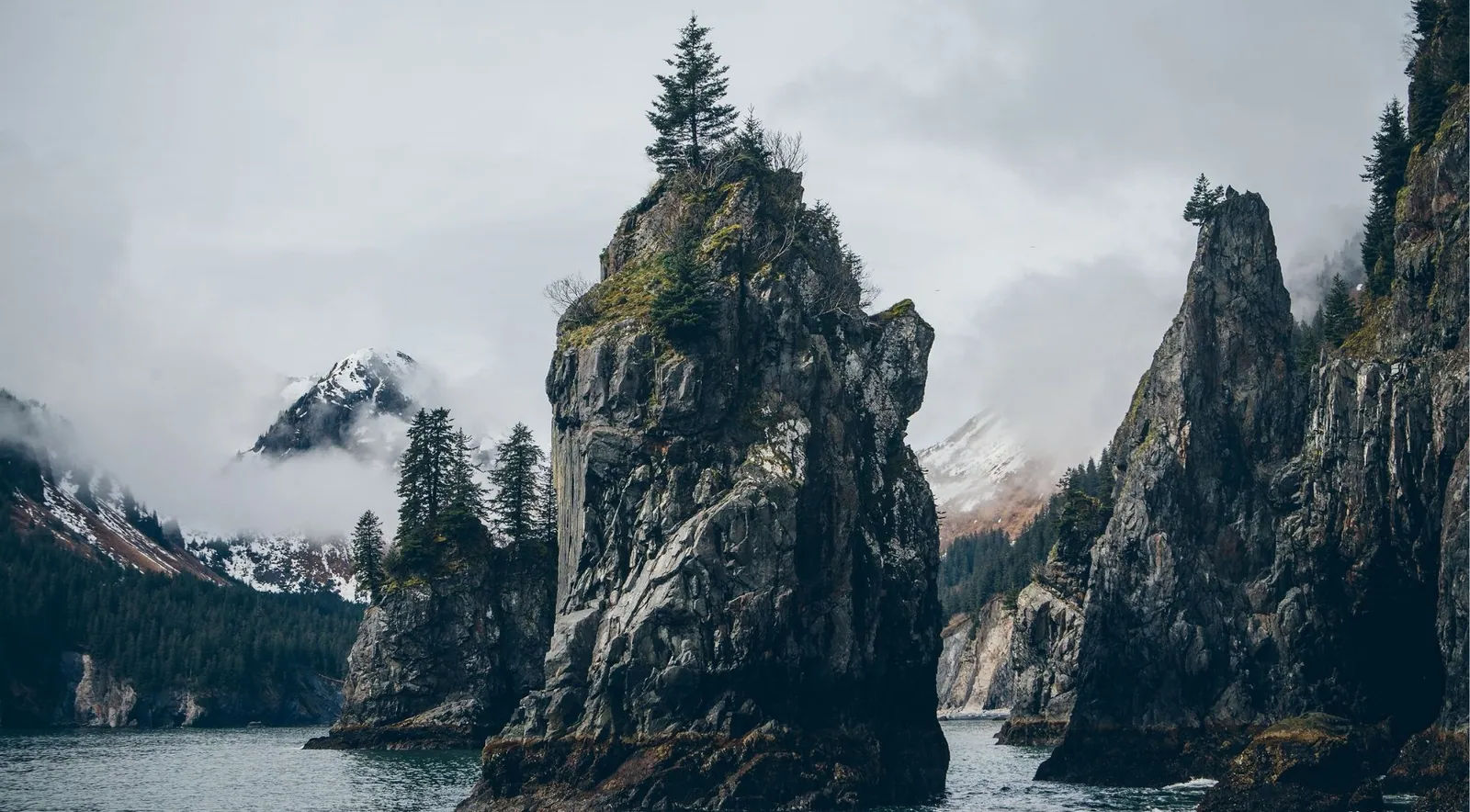
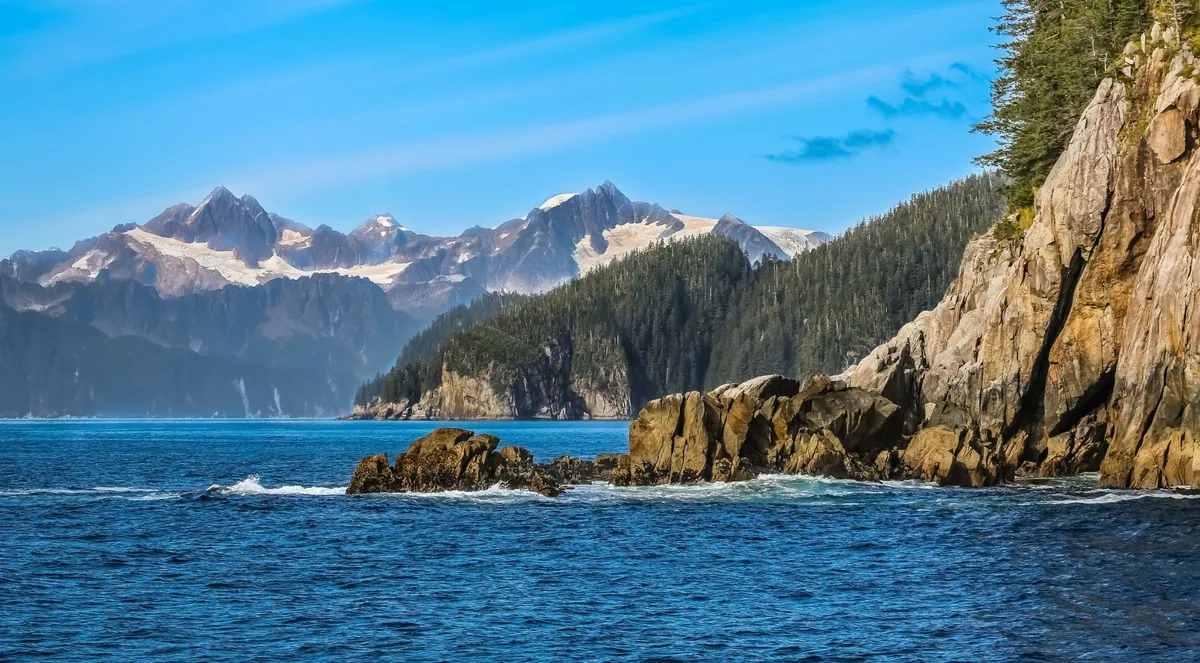
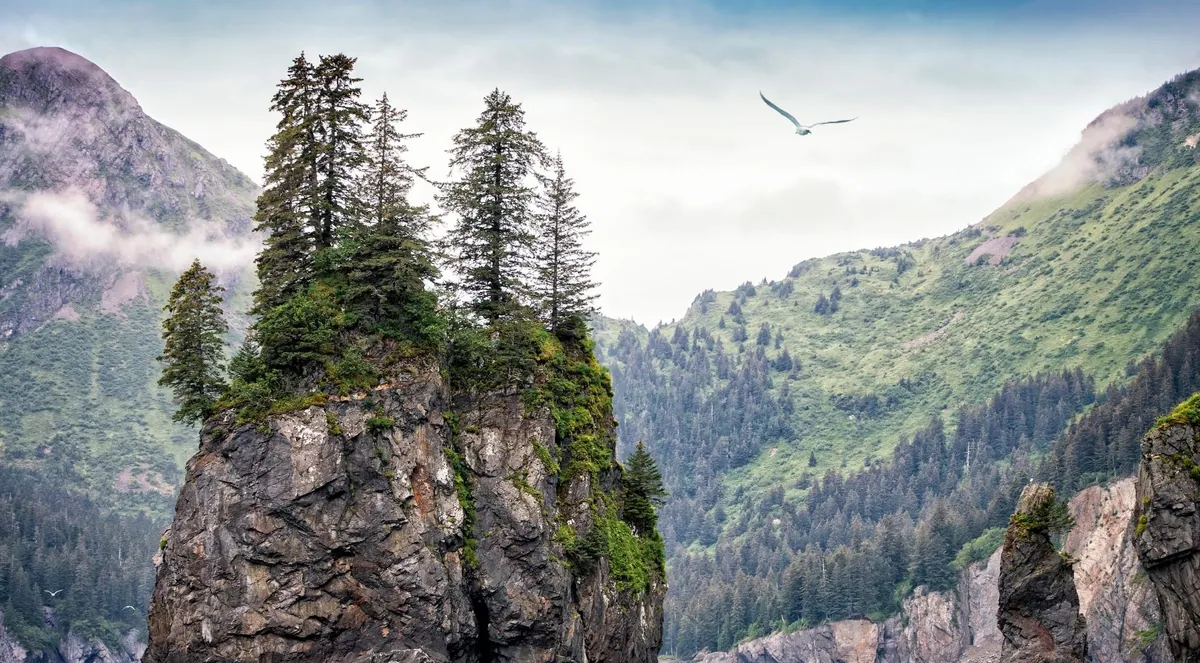
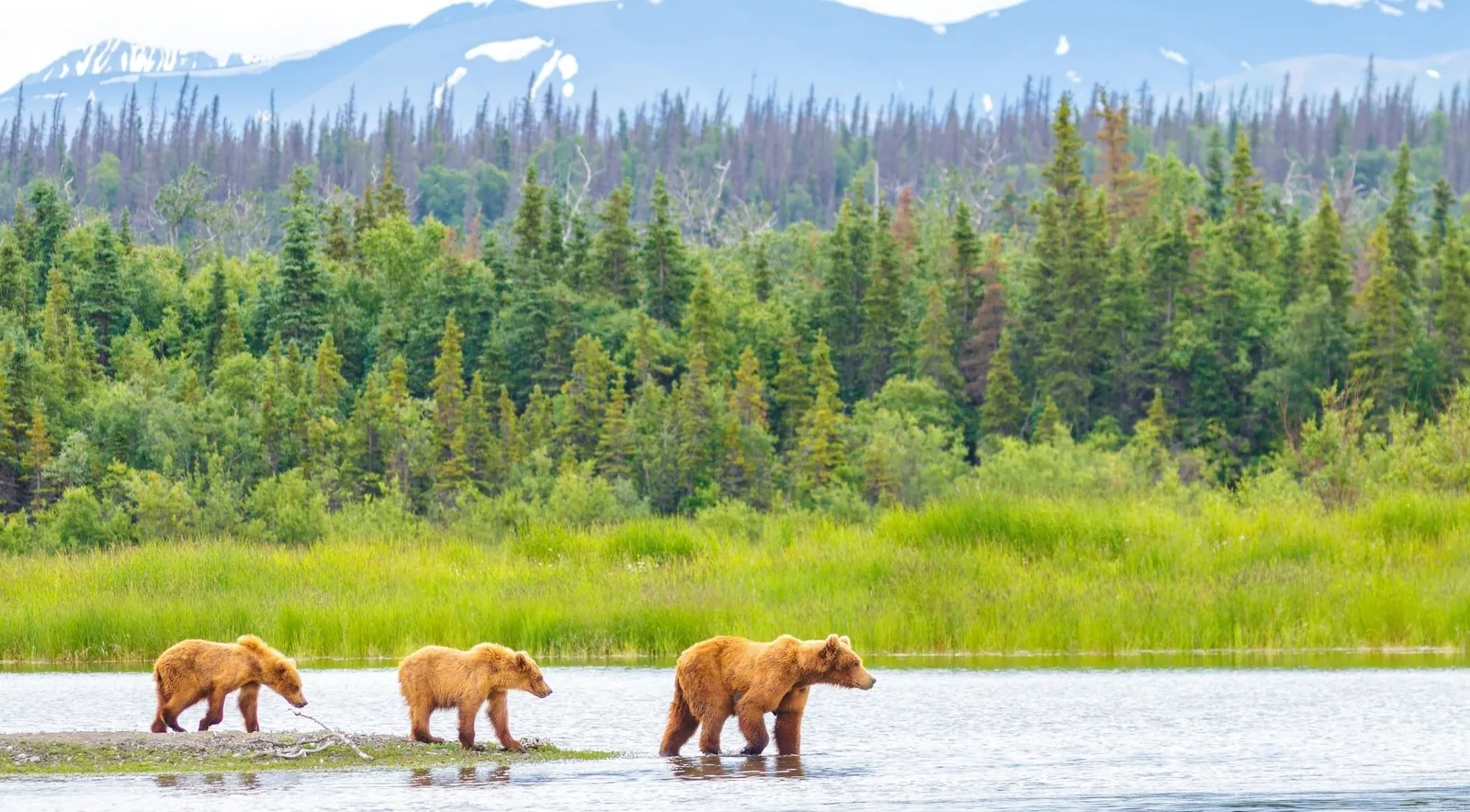
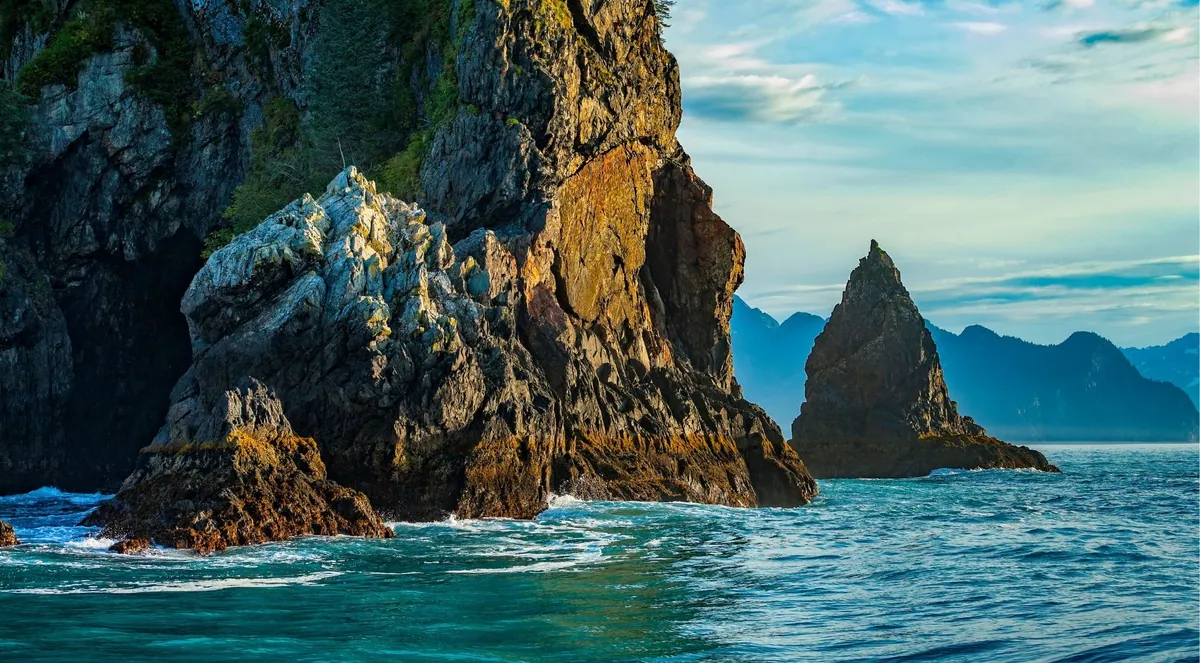
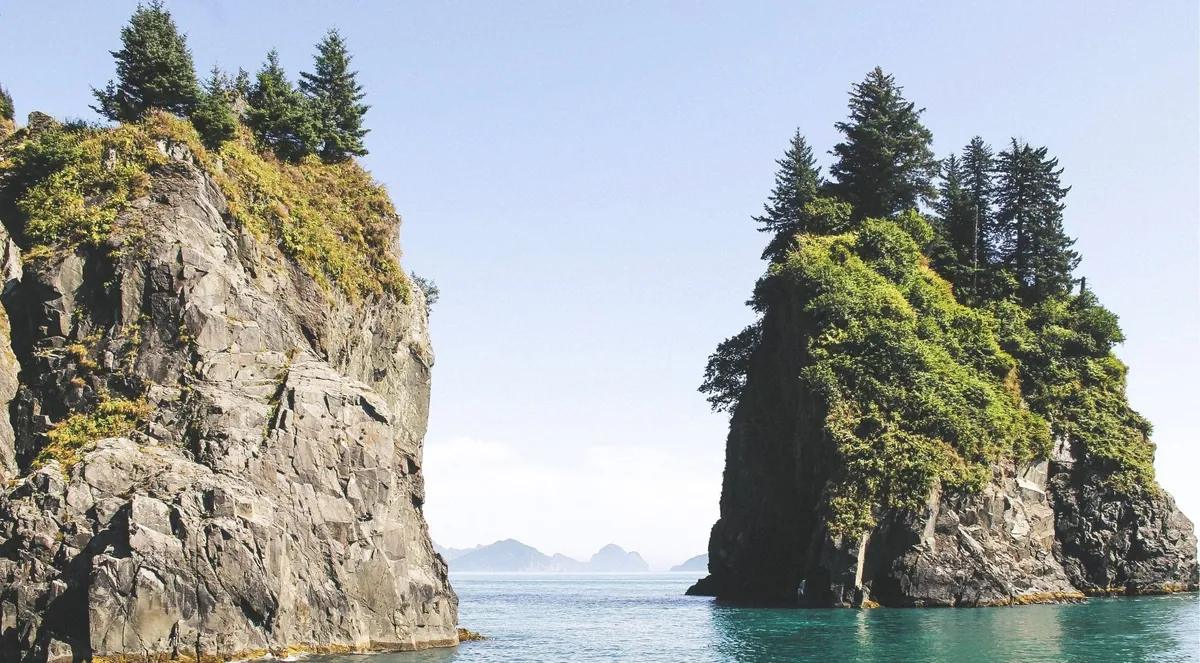
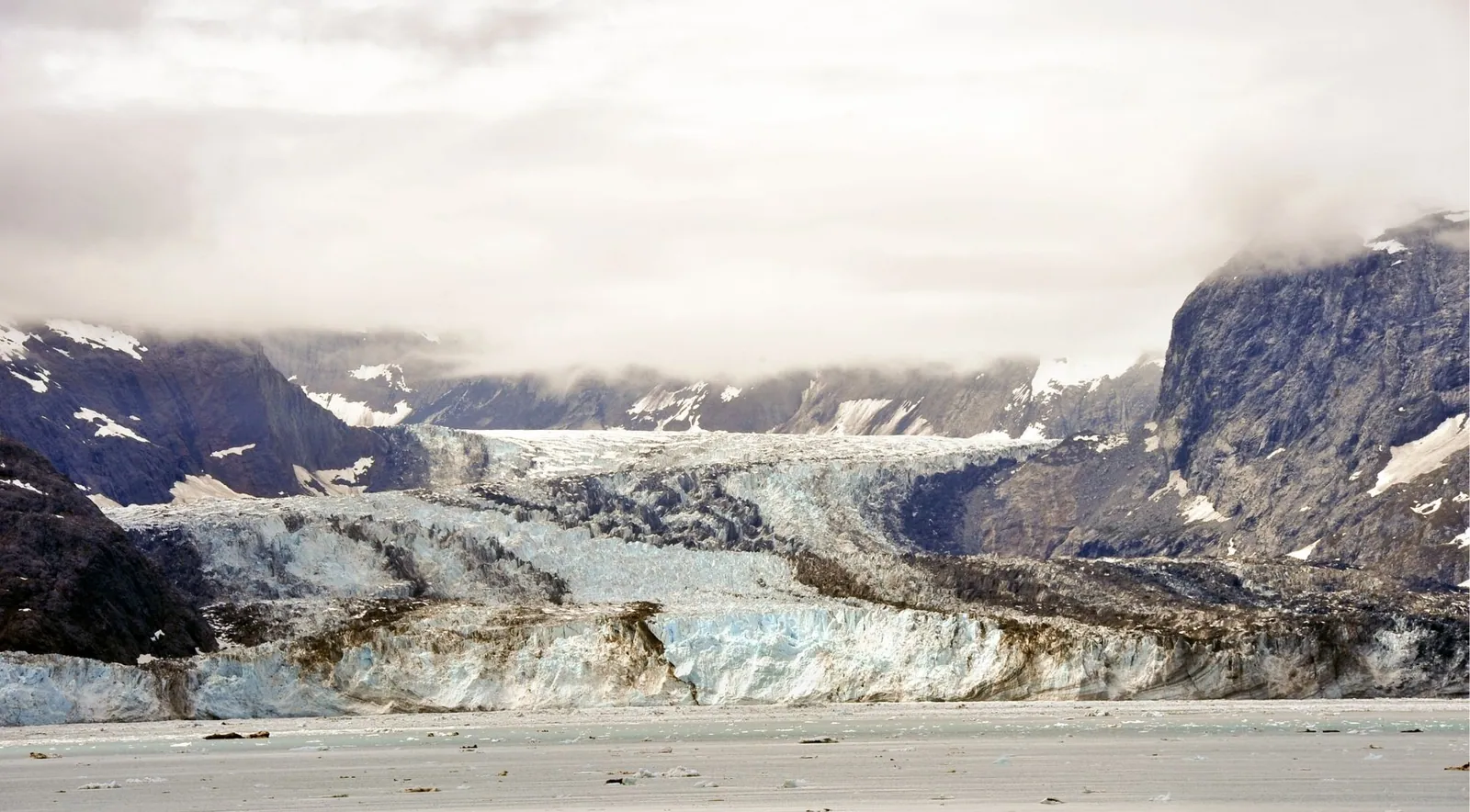
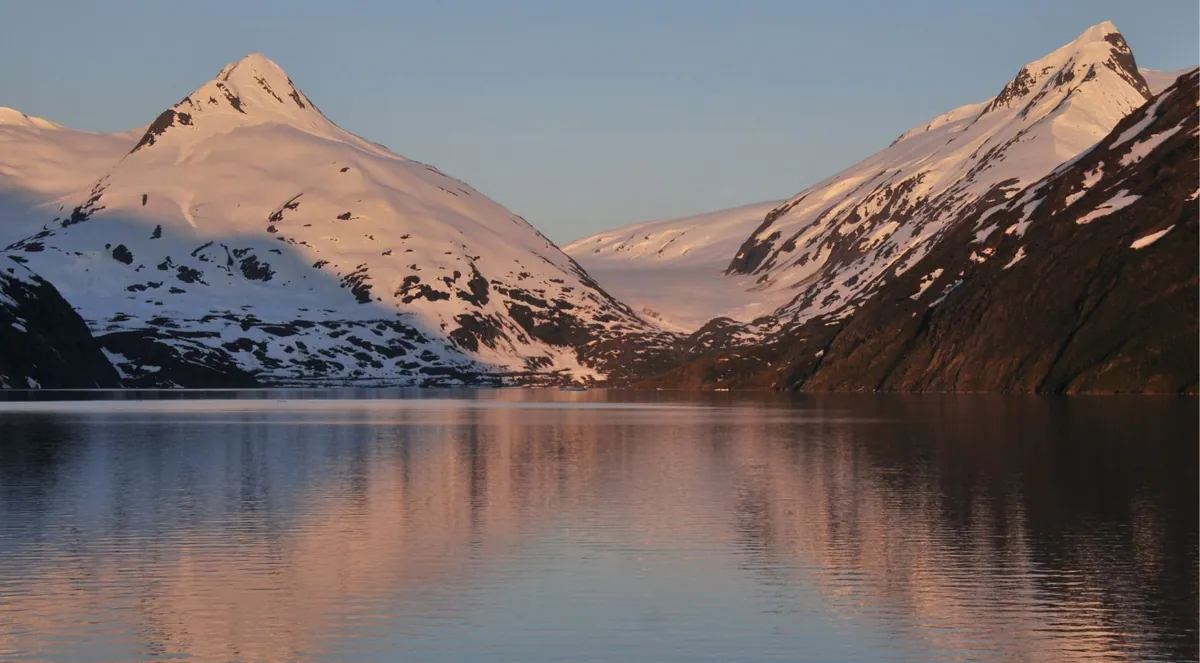
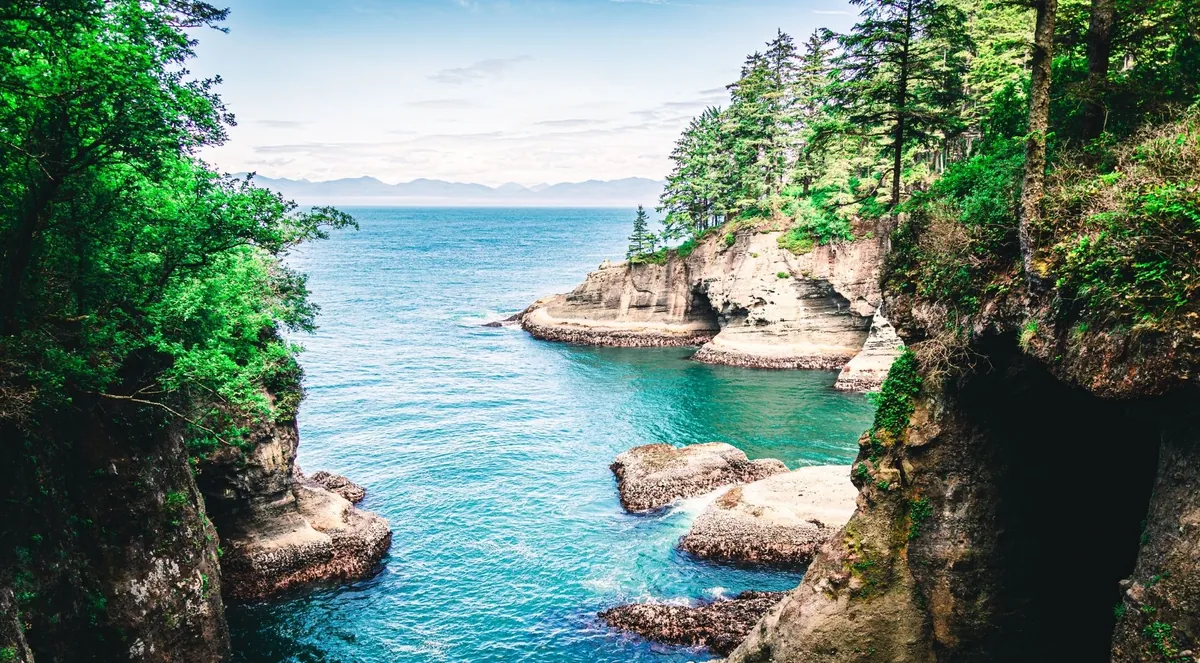
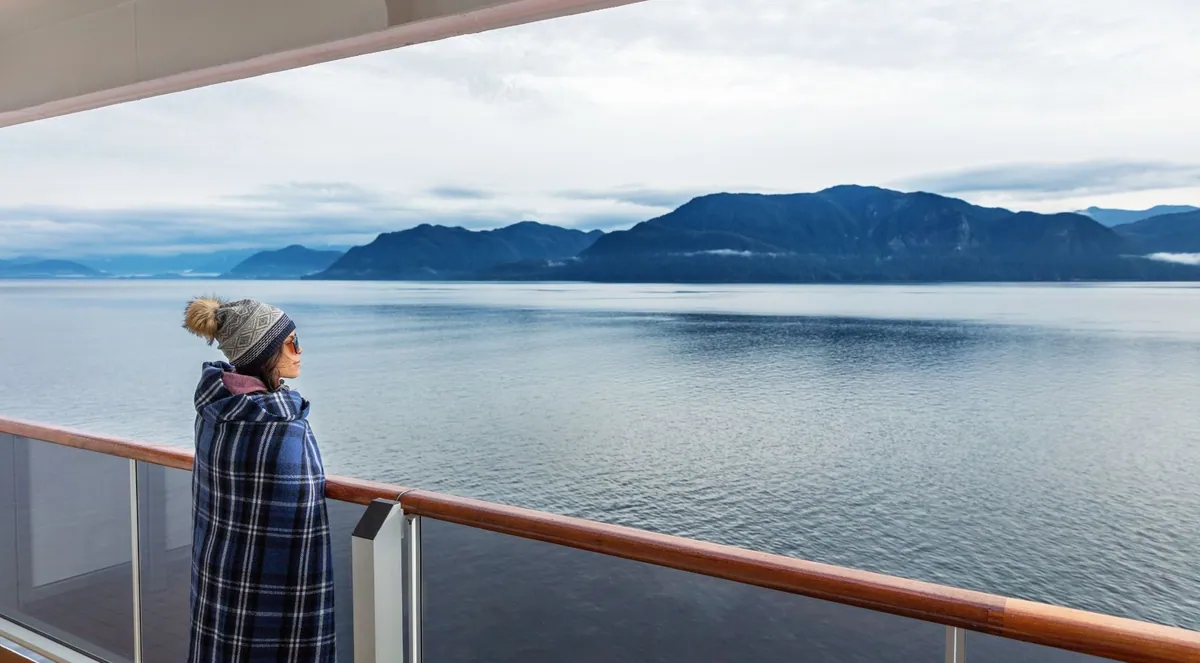
Fog-draped sea stacks and snow-dusted mountains rising from a fjord in Kenai Fjords National Park
Seward, Alaska · Visitor Guide 2026

Kenai Fjords National Park

Where the Ice Age still reaches the sea. Cruise to a wall of blue ice as it calves into the water, watch whales and puffins along a wild coast, and walk up to a glacier you can drive to — all about 2.5 hours south of Anchorage.

No entrance fee 38 glaciers Open year-round
FreePark entrance fee
126 miSouth of Anchorage
~51%Covered by ice
~38Glaciers from the icefield
Jun–AugPeak season
Why Kenai Fjords

An Ice Age landscape you can reach from Anchorage in a day

Kenai Fjords protects the Harding Icefield — roughly 700 square miles of ice, the largest icefield entirely within the United States — and the fjord coastline its glaciers have carved along the Kenai Peninsula. The park covers about 669,984 acres, more than half of it under ice, just outside the town of Seward.

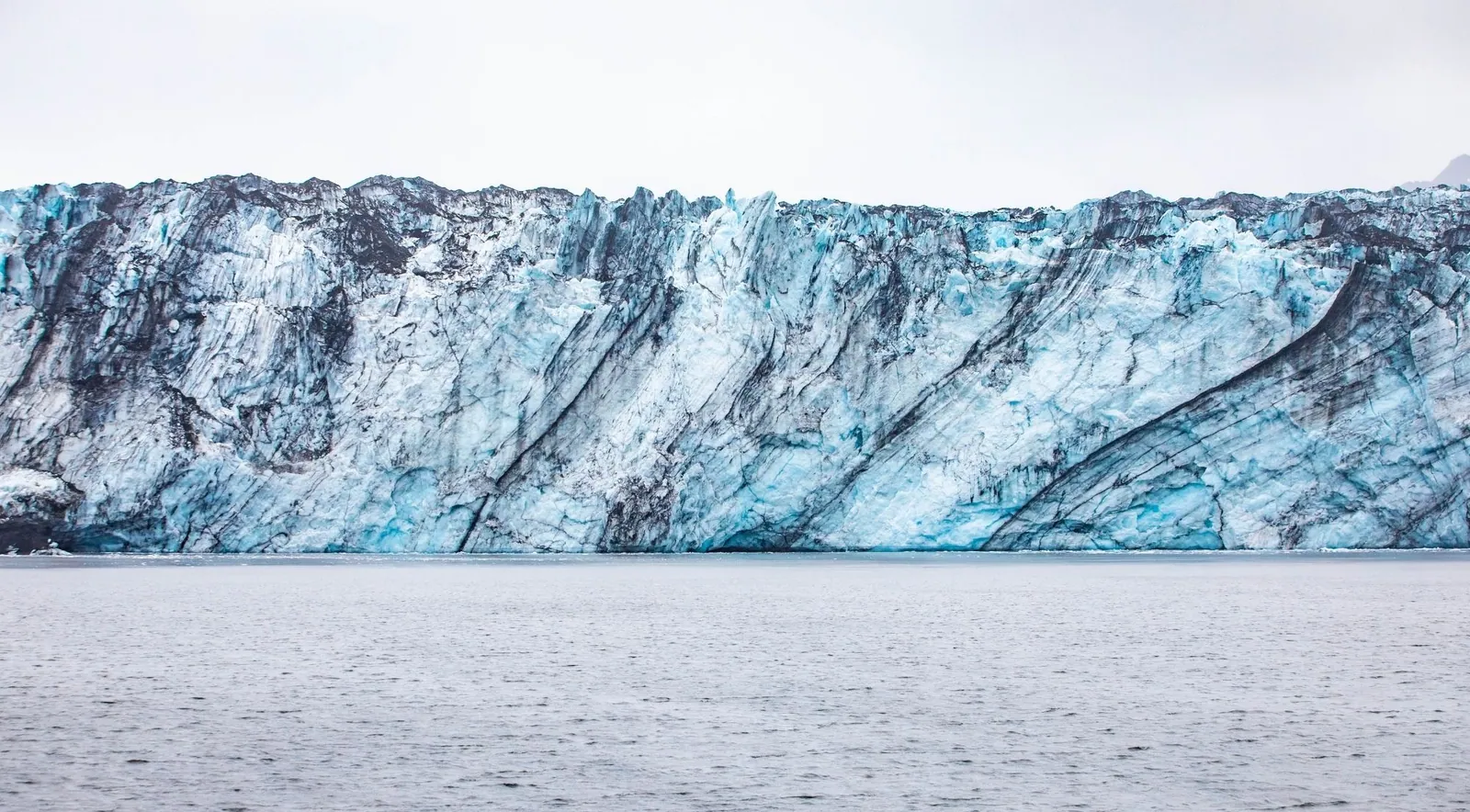
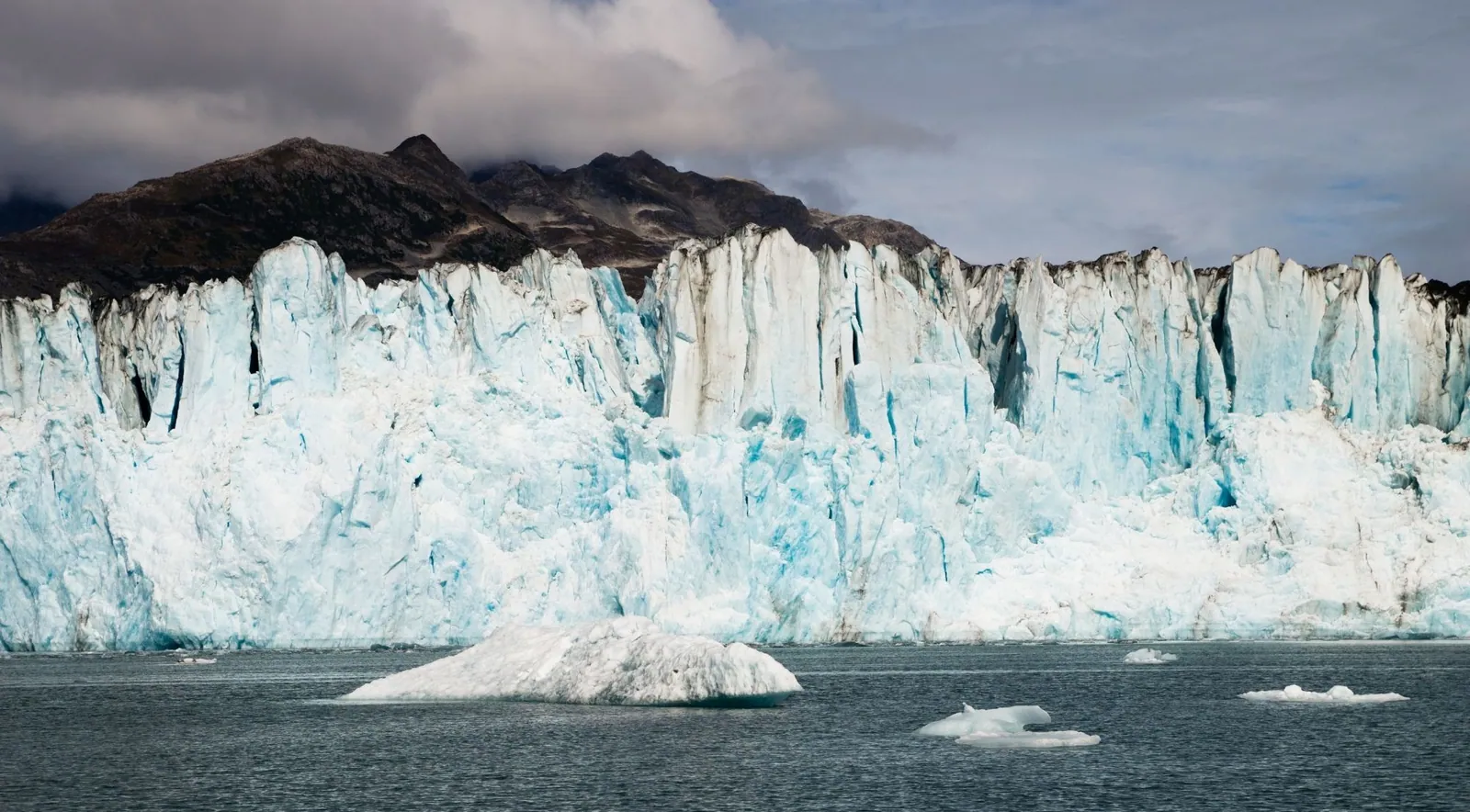
Three experiences define a visit. The first is the tidewater glacier: cruising to within reach of a several-hundred-foot wall of blue ice and watching a block crack loose and boom into the sea, often with harbor seals basking on the floes. The second is marine wildlife — humpbacks and orcas, sea otters, Steller sea lions and puffins — drawn here because glacial rock flour and coastal upwelling feed plankton blooms that anchor the whole food chain. The third is Exit Glacier, the only part of the park you can drive to, and the strenuous Harding Icefield Trail that climbs beside it to a view over the ice.

The park is one of the most accessible in Alaska, yet most of it is reachable only by water — which is why a day cruise from Seward is the single most popular thing to do. There is no entrance fee, and the land is open year-round, though summer is the functional season.

Calving tidewater glaciers

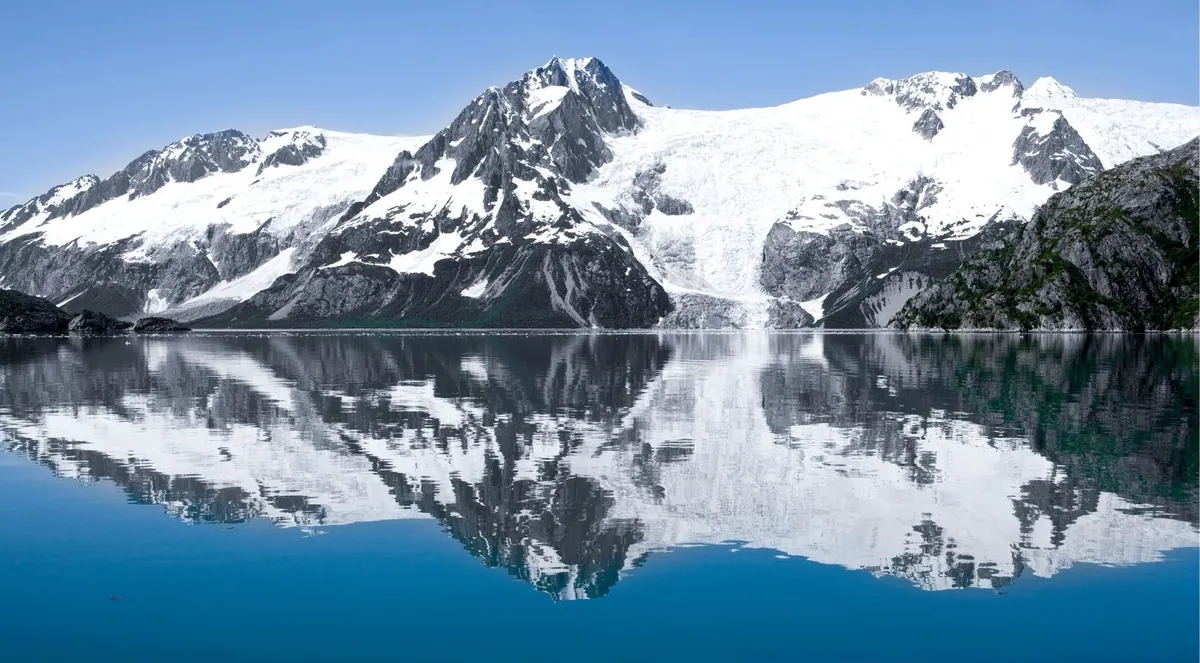
Aialik, Holgate and the Northwestern Fjord glaciers meet the sea and shed ice. Only three of the park's fjords still hold active tidewater glaciers today.

Exceptional marine wildlife

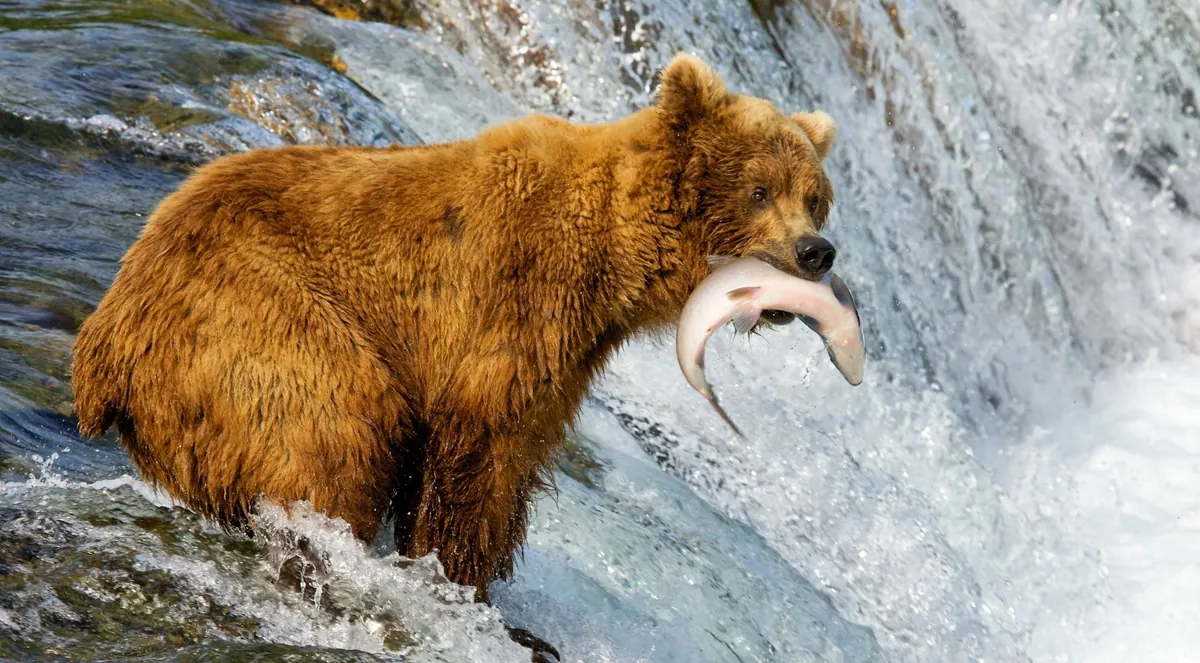
One of Alaska's best coasts for whales, sea otters, sea lions and seabird rookeries — operators report whale sightings on the large majority of summer cruises.

A glacier you can drive to

Exit Glacier is a rare walk-up glacier, and the Harding Icefield Trail beside it is one of Alaska's finest day hikes — a window straight onto the icefield.

Explore in Depth

The full Kenai Fjords guides

This page is the overview. Each topic below has its own in-depth guide.

Best Time to Visit

When to visit Kenai Fjords National Park

The short answer, and a month-by-month view of what's open and what you'll see.

Mid-May to September is the season, and June, July and August are the peak. Visitor centers open Memorial Day weekend and close after Labor Day; boat tours run daily through summer; and the Exit Glacier road is open to cars from about mid-May to late October. May and September are quieter shoulder months with reduced services. The land is open year-round, but outside summer the road closes to cars and rough seas shut down the fjord coast.

Tap a month to see conditions, wildlife, what's open, how it rates and what it's best for. The park is a summer destination, so the color code leans on access as much as weather.

Best Good Low
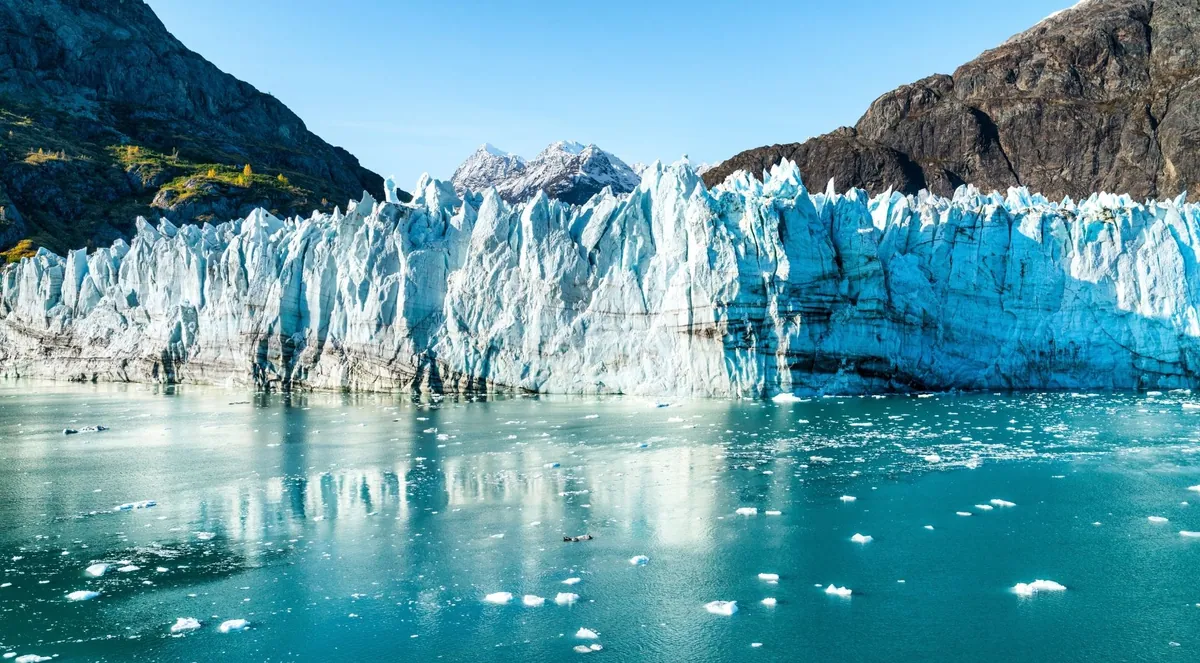
A wide wall of blue tidewater glacier ice calving into the sea in Aialik Bay

JULY

Best month to visit

  • The warmest, most reliable month, with full services and the longest tour schedules.
  • Humpback viewing is at its best (mid-May to mid-August).
  • Long daylight lets you pair a full-day cruise with Exit Glacier.
  • The busiest month — book cruises and lodging well ahead.
  • SeasonPeak
  • Daytime tempLow 50s to low 70s°F
  • Daylight~18–19 hours
  • WildlifeHumpbacks, orcas, puffins
  • Access & toursEverything open
  • Best forCruises, hiking, families, wildlife

See the full month-by-month guide

Summer daytime temperatures run from the mid-40s to the low 70s°F, and long spells of rain are common even in peak season — pack for cool, wet weather any month.

Getting There

How to reach the park from Anchorage

The park sits just outside Seward, on the Kenai Peninsula in south-central Alaska, about 126 miles (roughly 2.5 hours) south of Anchorage. Once in Seward, the park splits in two directions: Exit Glacier by road, and the fjords by boat.

1

Anchorage to Seward

Drive the Seward Highway year-round, or take the Alaska Railroad Coastal Classic in summer only — in 2026, May 15 to September 13. Motorcoach service also runs in season.

2

Seward to Exit Glacier

Turn onto Herman Leirer Road (Exit Glacier Road) at mile 3 of the Seward Highway and drive about 8.4–8.6 miles to the nature center. No car? A seasonal shuttle runs from Seward — Adventure Sixty North operated it from late April to mid-September in 2026, around $30 round trip.

3

Seward to the fjords

Boat tours leave daily in summer from Seward's small boat harbor. This is the only way to reach the tidewater glaciers and the outer coast — there is no road in.

Boat Tours — The Defining Experience

Kenai Fjords boat tours, explained

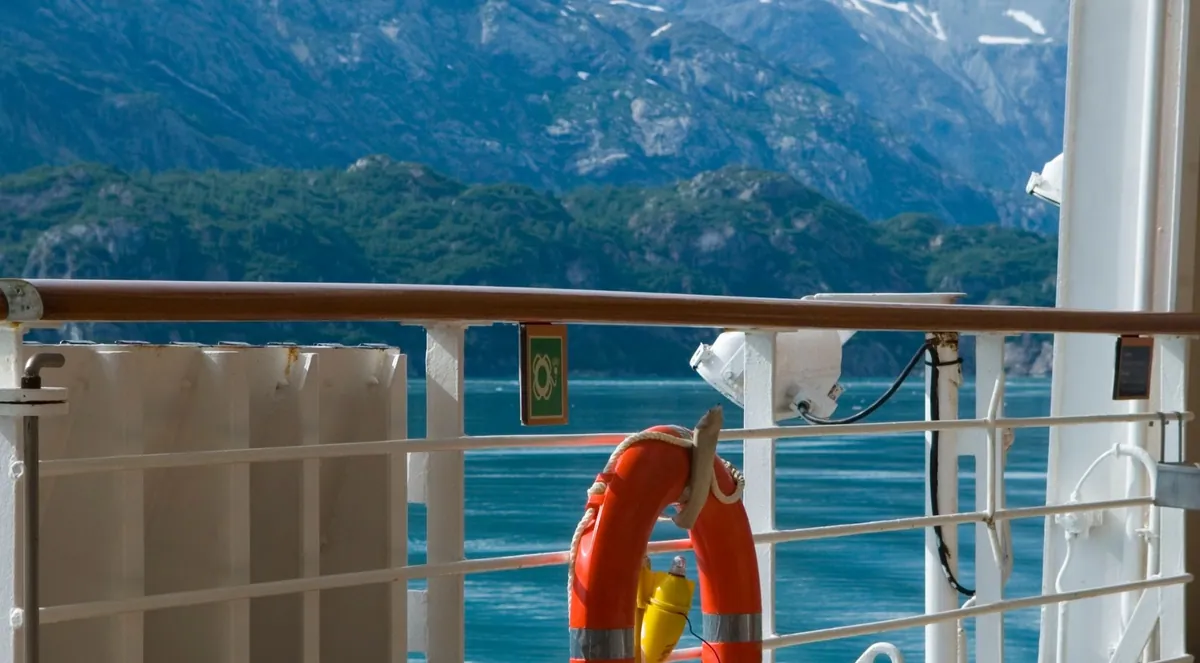
Most of the park is reachable only by water, so a day cruise from Seward is the one thing nearly every visitor does. Here's how the options differ.

Half-day tours stay in the sheltered waters of Resurrection Bay for wildlife and scenery. Full-day tours head out to the tidewater glaciers in Aialik Bay, and the longest cruises reach Northwestern Fjord, where three glaciers meet the sea. If you're prone to seasickness, the National Park Service advises choosing a shorter Resurrection Bay trip — or taking motion-sickness medication before you depart, not after you feel unwell.

Tour typeTypical lengthWhat you seeBest forFrom*
Resurrection Bay half-day~4 hoursSheltered bay, sea otters, sea lions, birds; no glacierSeasickness-prone, families, tight schedules~$99–$149
Kenai Fjords National Park6–7.5 hoursOne or both Aialik-bay tidewater glaciers, whales, Chiswell wildlifeFirst-time visitors wanting the calving-glacier experience~$239–$269
Northwestern Fjord8–8.5 hoursThree glaciers in Northwestern Fjord, deepest run into the parkKeen photographers and wildlife watchers, calmer stomachs~$309

*Indicative 2026 starting prices (adult) from Major Marine Tours, excluding tax and harbor fees; Kenai Fjords Tours runs a comparable lineup. Durations, dates and prices change each season — confirm current details with the operator when you book.

Browse all Seward & Kenai Fjords tours

Exit Glacier & the Harding Icefield Trail

The only part of the park you can drive to

Exit Glacier flows off the Harding Icefield to a valley you can reach by road and walk right up toward. Easy, partly paved trails lead to glacier viewpoints from the nature center, and roadside markers showing where the ice stood in past decades make its retreat plain to see.

Above it climbs the Harding Icefield Trail — about 8.2 miles round trip, roughly 1,000 feet of gain per mile, and 6 to 8 hours of strenuous hiking to a viewpoint over the icefield itself. Snow lingers on the upper trail into late June or July, and it runs through active black-bear country, so carry warm layers, rain gear, sturdy boots, at least two liters of water and bear awareness.

Good to know: the Exit Glacier road is closed to cars from about late October to mid-May, when it isn't plowed. In winter it's open to skiers, snowmachines and fat bikes.

Wildlife

The Kenai Fjords wildlife calendar

What you can see, and the months you're most likely to see it. Marine wildlife is viewed from boat tours; a few species are seen on land near Exit Glacier.

WildlifeWhen presentBest monthsWhere
Humpback whalesApril–OctoberMid-May–mid-AugOpen water and the fjords
Orcas (killer whales)Year-roundMid-May–JuneResurrection Bay & the fjords
Gray whalesMarch–May (spring migration only)Mid-April–MayMouth of Resurrection Bay
Tufted & horned puffinsArrive ~mid-May, into AugustJune–JulyChiswell / Beehive Islands
Steller sea lionsHaul-outs early spring–late JulyMay–JulyChiswell Islands rookery
Sea ottersYear-round (resident)All summerResurrection Bay & coves
Harbor sealsSummerJune–AugOn icebergs near the glaciers
Black bearsSummerJune–AugExit Glacier / Harding Icefield Trail
Mountain goatsSummerJune–AugCoastal cliffs, seen from boats

Whale and puffin windows shift a few weeks year to year; the Chiswell Islands, the main seabird and sea-lion site, lie just outside the park in the Alaska Maritime National Wildlife Refuge.

Whales

Humpbacks, orcas & gray whales

  • Humpbacks feed here all summer, sometimes cooperatively bubble-net feeding
  • Resident, fish-eating orca pods chase salmon and are seen year-round
  • Gray whales pass only in spring, heading for the Arctic

Seabirds

Puffins & the Chiswell rookeries

  • Tufted puffins arrive around mid-May, horned puffins about a week later
  • The Beehive Islands hold the heaviest local nesting concentration
  • Also murres, kittiwakes, cormorants and bald eagles

On land

Around Exit Glacier

  • Black bears are seen almost daily along the Harding Icefield Trail in summer
  • Mountain goats cling to the coastal cliffs above the fjords
  • Moose and marmots also live in the Exit Glacier area
Glaciers & Geology

The Harding Icefield and its 38 glaciers

Nearly everything you see here was shaped by ice. Here's how the icefield, the glaciers and the fjords fit together.

The Harding Icefield caps the Kenai Mountains — about 700 square miles of ice fed by enormous snowfall, the largest icefield entirely within the United States. At least 38 glaciers flow outward from it. Where those glaciers reached the sea they carved deep U-shaped valleys; as the land subsided and sea levels rose, the ocean flooded the valleys to create the fjords, leaving former summits as the islands and sea stacks you pass on a cruise.

Tidewater glaciers

Aialik · Holgate · Northwestern

  • Terminate in the sea and calve icebergs
  • Only three fjords still hold active tidewater glaciers
  • The reason full-day cruises exist

Bear Glacier

The park's largest

  • A valley/piedmont glacier, now ending in a growing iceberg-filled lagoon
  • Building-size bergs drift in the lagoon
  • Visited on kayak and heli trips, not standard cruises

Exit Glacier

The one you can walk to

  • Flows off the icefield to a road-accessible valley
  • Gateway to the Harding Icefield Trail
  • Its retreat is marked year by year along the trail
Climate Change & Glacier Retreat

A place where you can measure a warming world

Kenai Fjords is one of the clearest places in the country to see glaciers change. Roadside markers along the Exit Glacier trail show where the ice stood in past years, and the numbers behind them are stark.

Per the National Park Service (Kurtz & Baker, 2016), Exit Glacier has retreated roughly 2 kilometers since its 1815 maximum, and the average retreat rate accelerated from about 19.7 meters per year (1889–2015) to 44.5 meters per year (2011–2015). In the summer of 2017 it lost about 252 feet — the largest single-summer retreat on record at the time. A 2022 University of Washington and NPS study found most of the park's glaciers in substantial retreat, with Bear Glacier having pulled back around three miles.

Figures are attributed to NPS and peer-reviewed studies and are tied to specific measurement years; glacier data is updated as new surveys are published.

History & Culture

The Sugpiaq coast and how the park came to be

The outer Kenai coast is the homeland of the Sugpiaq people (also called Alutiiq), who have lived along south-central Alaska's coasts for more than 7,500 years, traveling by qayaq and living on the sea's marine mammals, fish and birds. "Sugpiaq" means "the real people." The Port Graham Corporation, formed under the 1971 Alaska Native Claims Settlement Act, still owns coastal land within the park.

A note on names: "Kenai" comes from a Dena'ina Athabascan word for a flat, open area and names the peninsula broadly — but the outer fjord coast itself is specifically Sugpiaq/Alutiiq homeland, and the two peoples shouldn't be conflated. The Harding Icefield is named for President Warren G. Harding, after his 1923 visit to Alaska.

The park's protection came in stages: a national monument proclaimed by President Carter in 1978, then a national park established under the Alaska National Interest Lands Conservation Act on December 2, 1980. In 1989 the Exxon Valdez oil spill eventually reached about 20 miles of the park's coastline — roughly 4% of it — and shaped decades of coastal monitoring and restoration.

Where to Stay

Seward is your basecamp

Most visitors stay in Seward and day-trip into the park. In-park options are limited and fill early — a common recommendation is two nights in Seward to avoid a rushed day trip.

Seward town

Hotels, lodges, B&Bs, dining and grocery, plus the Alaska SeaLife Center and the park's main visitor center at the small boat harbor. The most flexible base for cruises and Exit Glacier.

Best for first-time visitors

Exit Glacier Campground

Twelve walk-in, tent-only sites near the trailhead, first-come first-served with no reservations. It frequently fills by early evening in July and August. Central food-storage and cooking shelter; no RV parking overnight.

Best for tent campers

Coastal public-use cabins

The Aialik Bay cabin (sleeps up to 4) and Holgate cabin (sleeps 6) sit on the fjord coast, reached by water taxi or float plane. About $75 per night, booked via recreation.gov — the season opens January 1, with a three-night limit per group.

Best for adventurous paddlers

Kenai Fjords Glacier Lodge

The only lodge inside the park, at Pedersen Lagoon with views of Pedersen Glacier, reached by boat from Seward. All-inclusive multi-night packages with guided kayaking and hiking; premium pricing.

Best for a wilderness splurge
Know Before You Go

What to pack and expect

The weather is cool and changeable even in July. A little preparation makes a big difference on the water and on the trail.

For a boat tour

  • Rain gear — it blocks wind and keeps you on deck
  • Warm layers and a hat; it's cold near the ice
  • Binoculars for wildlife
  • Motion-sickness medication, taken before you depart

For the Harding Icefield Trail

  • Sturdy footwear and warm, waterproof layers
  • At least 2 liters of water per person, or a filter
  • Sunglasses and sunscreen for snow glare
  • Bear awareness — make noise, carry spray

Weather & conditions

Summer highs run mid-40s to low-70s°F with frequent rain and fast-changing skies. Seas are calm in Resurrection Bay but can be rough on the open crossings to Aialik and Northwestern. Cell service is limited beyond Seward.

Fees & access

No entrance fee and no park pass required. Costs are optional extras — boat tours, cabins, camping and water taxis. Book summer tours and cabins well ahead.

Accessibility

The Exit Glacier Nature Center and restrooms are wheelchair accessible, and the paved lower Glacier View Loop has an accessible viewing scope. Major cruise boats note accessible restrooms on board.

How many days

One day: a half-day cruise plus Exit Glacier. Two days: add the full-day fjord cruise or the Harding Icefield Trail. Three-plus: sea kayaking, a cabin night, and the Alaska SeaLife Center.

FAQ

Common questions

Mid-May to September, with June, July and August the peak months. Visitor centers open Memorial Day weekend and close after Labor Day, boat tours run daily in summer, and the Exit Glacier road is open to cars from roughly mid-May to late October. May and September are quieter shoulder months. Spring (March to May) is the only time to catch migrating gray whales.

No. Kenai Fjords charges no entrance fee and does not sell or require any park passes, so you don't need an America the Beautiful pass. Your only costs are optional extras such as a boat tour, a coastal cabin, or camping.

Effectively yes. Exit Glacier is the only part of the park reachable by road; the fjords, tidewater glaciers and marine wildlife are reached only by water. A day cruise from Seward's small boat harbor is the single defining way to experience Kenai Fjords.

Drive the Seward Highway about 126 miles (roughly 2.5 hours) south to Seward. The Alaska Railroad Coastal Classic also runs Anchorage–Seward in summer only (in 2026, May 15 to September 13). From Seward, reach Exit Glacier by road and the fjords by boat.

Strenuous — about 8.2 miles round trip with roughly 1,000 feet of gain per mile, taking 6 to 8 hours. Snow can linger on the upper trail into late June or July, and black bears are common. Bring warm layers, rain gear, sturdy boots and at least two liters of water per person.

Both are active tidewater glaciers in Aialik Bay that calve ice into the sea. Half-day and 6-hour cruises typically visit one of the two (captain's choice, based on weather and ice), while longer full-day cruises reach both. The deepest cruises continue to Northwestern Fjord, where three glaciers meet the sea.

One day covers a half-day cruise plus a walk at Exit Glacier. Two days lets you add the full-day fjord cruise or the Harding Icefield Trail. Three or more allows sea kayaking, a coastal cabin stay, and the Alaska SeaLife Center in Seward. Two nights in Seward is a common recommendation.

For most travelers, yes. Few places pack calving tidewater glaciers, abundant marine wildlife and a walk-up glacier into a trip you can do from Anchorage in a day or two. The main caveat is weather: cruises can be cool, wet and occasionally rough, so build in a flexible day and pack for rain.

Start planning your Kenai Fjords trip

Pick your season, choose between a half-day bay cruise and a full-day glacier run, and leave a flexible day for the weather.

  • No entrance fee
  • Boat tours May–September
  • Exit Glacier by road
  • Base yourself in Seward
Compare Boat Tours