Weather & Daylight
Pack for cool and wet, any month
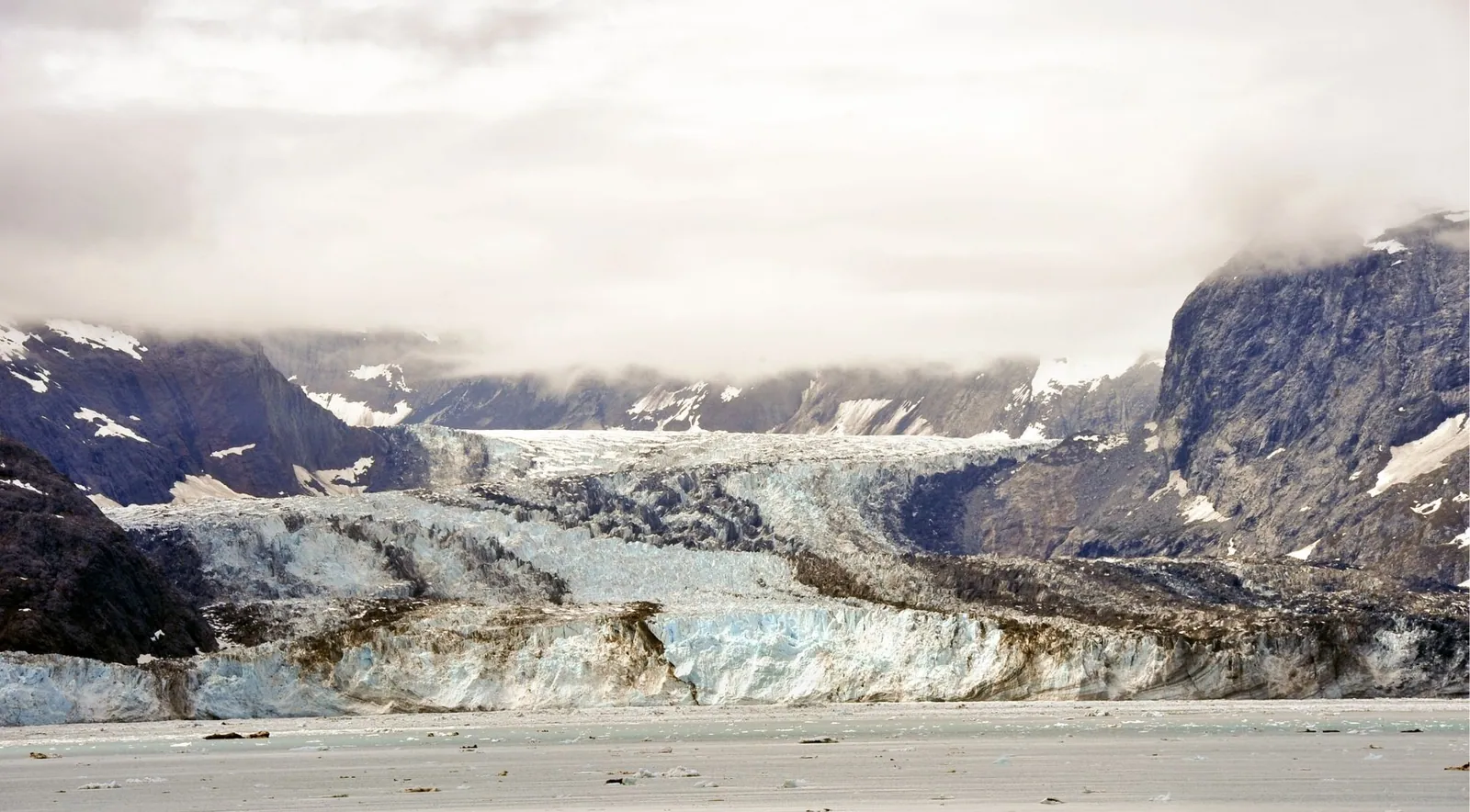
Seward's maritime climate means frequent cloud, rain and fog rather than extreme cold. Summer daytime temperatures run from the mid-40s to the low 70s°F, and long spells of rain are common even at the height of the season — this is effectively a coastal rainforest. Skies change fast, so a sunny morning and a wet afternoon in the same day is normal. Rain is a near-constant possibility and “rain or shine” cruising is the norm, so good rain gear matters in every single month.
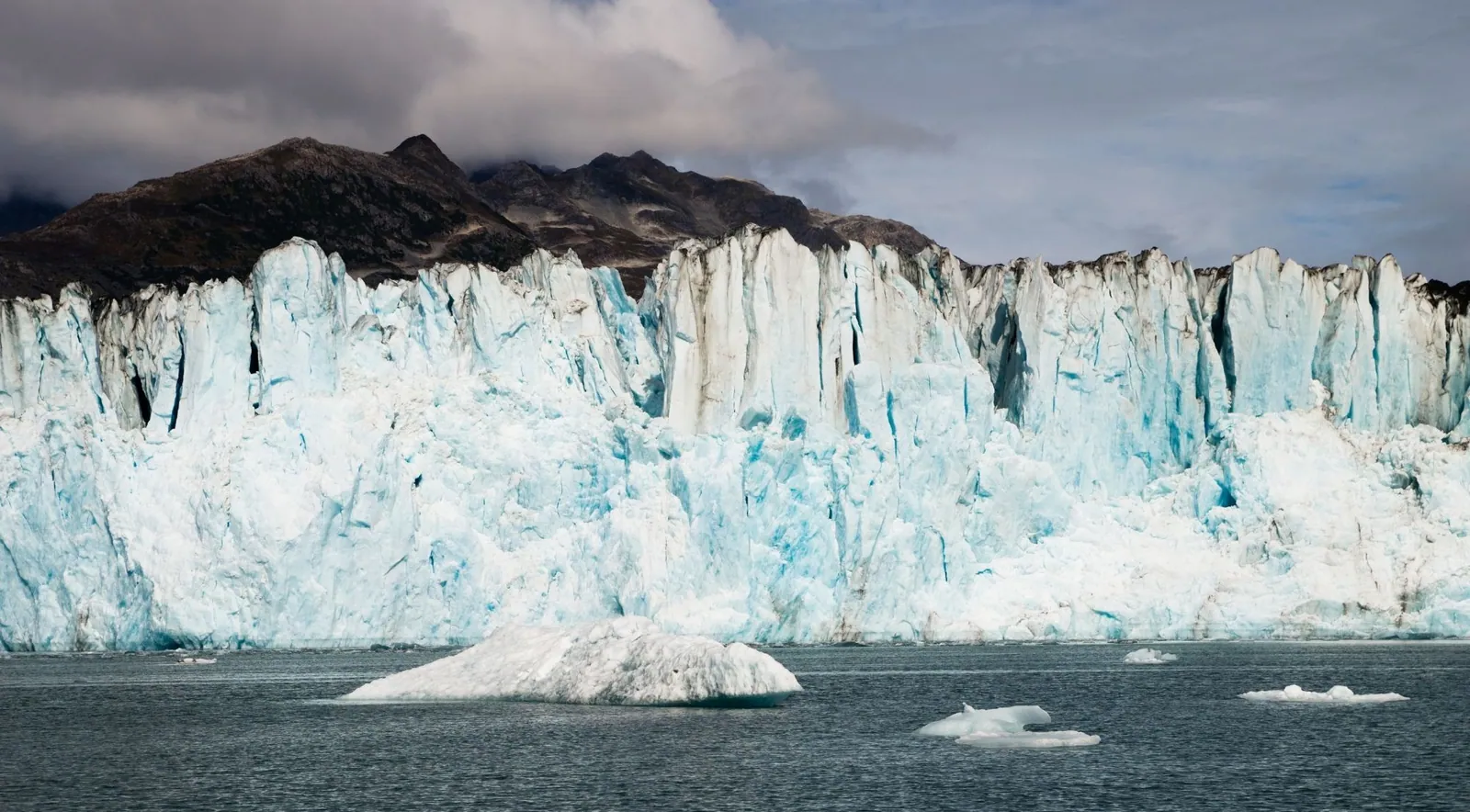
What the weather actually does to your plans is mostly about sea state. Conditions on the outer coast — Aialik Bay and Northwestern Fjord — worsen from late August onward as Gulf of Alaska swells build, and that is when captains most often shorten a route or stay inside Resurrection Bay. Fog can obscure glaciers and delay departures in any month. Because September is both the wettest month and the least settled at sea, it carries the highest cancellation and reroute risk of the operating season; June and July carry the lowest.
Whatever month you choose, bring waterproof layers, a warm mid-layer, a hat and gloves for the deck near the ice, and rubber-soled shoes. On the water it is colder than on shore, especially as a boat approaches a glacier.
Daylight and light quality
At roughly 60°N, Seward swings from about 19 hours of daylight at the June solstice to under 6 hours at the December solstice. Practically, June and July give near-unlimited itinerary flexibility — you can take a full-day cruise and still hike or walk the harbor in bright evening light.
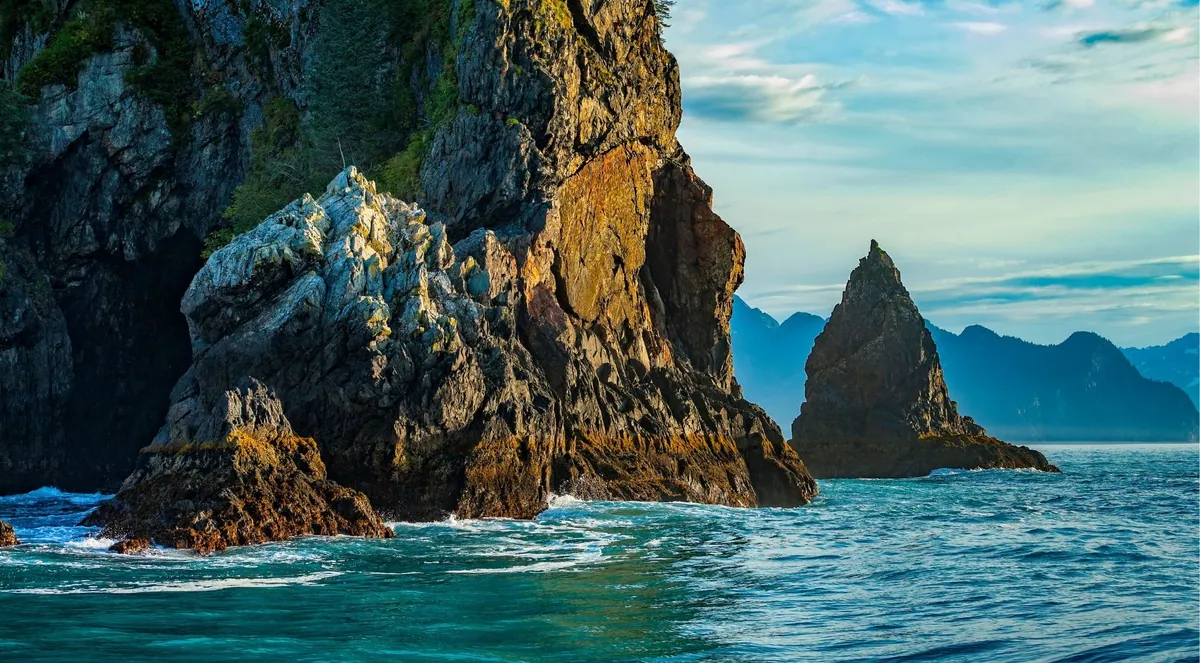
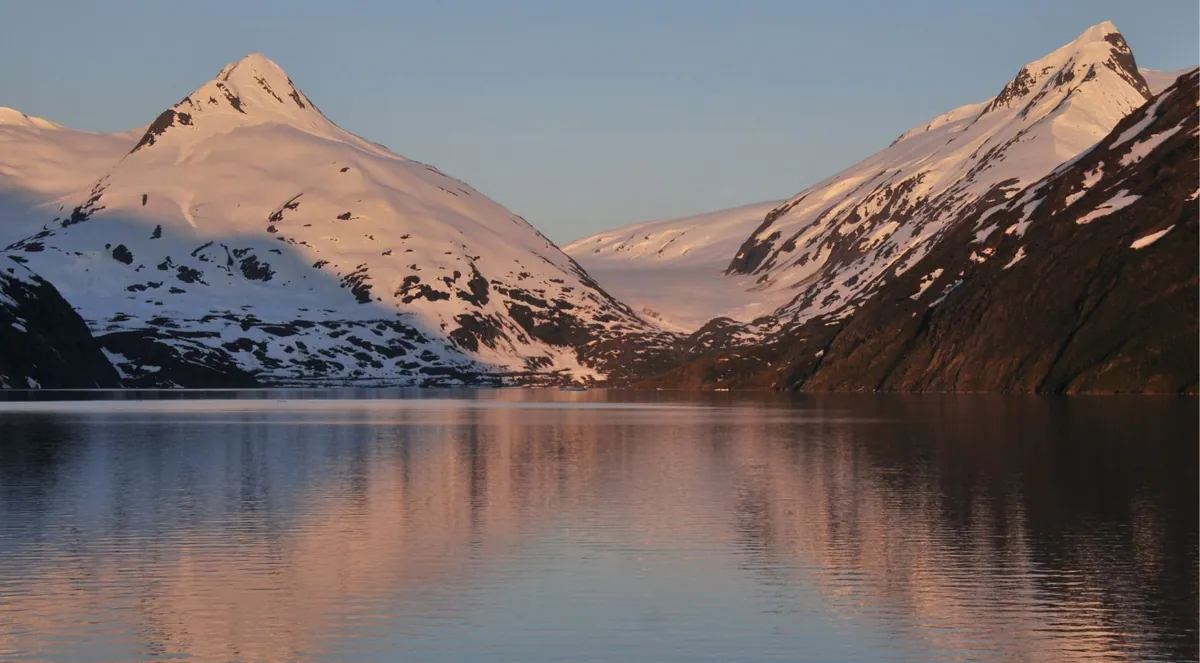
Photographers should note the tradeoff hiding in all that daylight: true golden hour is compressed to almost nothing near the solstice, because the sun never stays low for long. The best warm light comes in the shoulder months. By late August and September you get genuine sunsets, darker nights that make aurora possible, and fall color to point a camera at.
Wildlife timing in one line: humpbacks April–October (best mid-May to mid-August), orcas year-round (best mid-May–June), gray whales in spring only, and puffins from mid-May into August. See the full wildlife calendar or our dedicated whale-watching guide.