Kenai Fjords is a safe destination for prepared visitors on guided tours and marked trails. The real hazards are the cold ocean and fast-changing weather at sea, black bears on land, and the strenuous Harding Icefield Trail. Cell service is limited beyond Seward, so plan ahead and don't count on a signal. There is no entrance fee, but that doesn't reduce the need to prepare.
Most visitors experience Kenai Fjords from the deck of a glacier cruise out of Seward, on the short trails at Exit Glacier, or on a guided kayak trip — all of which are safe when you follow the crew or ranger and dress for the conditions. The points below cover the specific risks that catch people out: bears near the trails, the cold water and rough open crossings at sea, weather that turns quickly, a demanding icefield hike, and paddling that should never start from Seward.
Bear safety
Bears you may meet
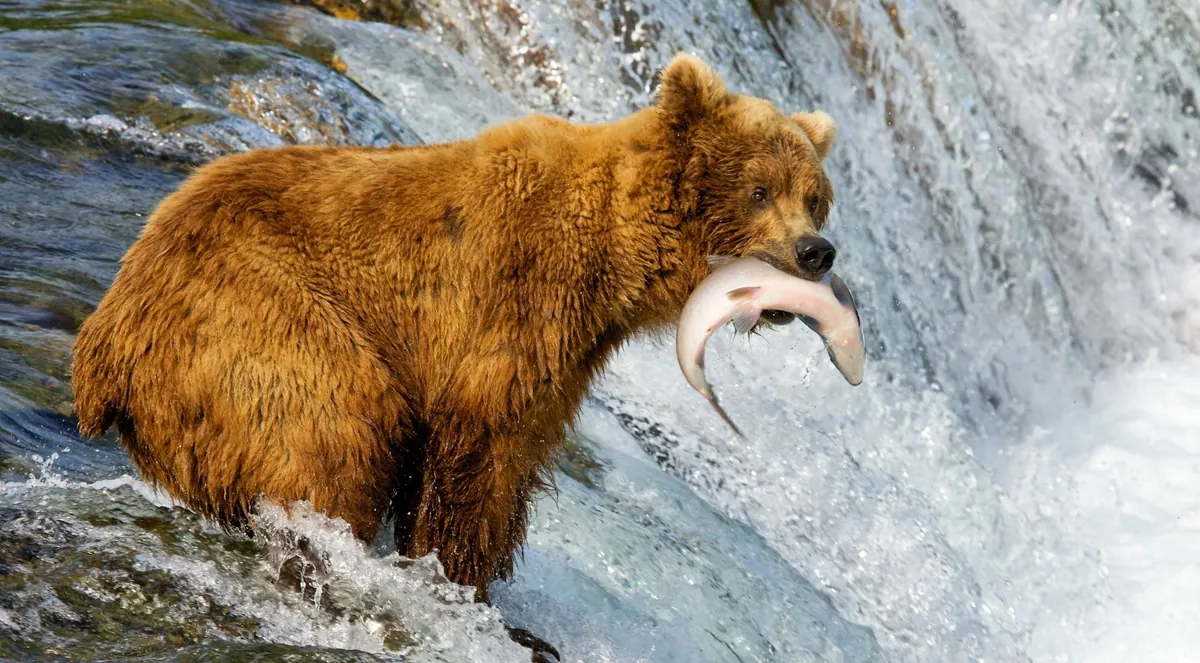
Black bears near the trails, brown bears across the peninsula
- Black bears are common around Exit Glacier and are spotted almost daily along the Harding Icefield Trail in summer.
- Brown (grizzly) bears roam the wider Kenai Peninsula, so treat any bear encounter seriously.
- Make noise while hiking and travel in groups so bears hear you coming.
- Never get between a mother and her cubs — back away and give them room.
Bear spray and food storage. Carry bear spray and know how to use it before you set out. Store all food in the campground's food-storage lockers — food may not be kept in campsites. Keeping a clean camp and a can of spray within reach is the core of staying safe around bears here.
The cold ocean & seasickness
Gulf of Alaska water is frigid year-round, so hypothermia is the main marine risk. Resurrection Bay is sheltered, but the open crossings to Aialik Bay and Northwestern Fjord can be rough. Dress in warm, waterproof layers even in summer, wear the life jacket provided, and follow the crew's instructions.
For seasickness, the National Park Service advises choosing a shorter Resurrection Bay cruise or taking motion-sickness medication before departure, not after you feel unwell. Once symptoms start, medication is far less effective, so decide before you board.
Weather changes fast
Conditions change fast here: rain, wind and fog are common, and summer highs run only mid-40s to low-70s°F. Build a flexible day into your trip, because tours can be delayed or cancelled by weather. Paddlers should check the marine forecast and tides before setting out.
Plan for a weather day. Leaving one open day in your schedule means a cancelled cruise can be rebooked rather than lost. Pack rain gear and warm layers regardless of the forecast.
The Harding Icefield Trail
The Harding Icefield Trail is strenuous, about 8.2 miles round trip, and snow and avalanche terrain can persist into late June or July, so it suits prepared hikers. Bring sturdy boots, warm and waterproof layers, and sunglasses and sunscreen for snow glare, and carry at least 2 liters of water per person.
Untreated stream water can carry Giardia, so filter or treat it before drinking. Turn back in worsening weather rather than pushing on toward the icefield.
Kayaking & paddling
The cold water and tides make the outer coast serious. Do not kayak from Seward out to the fjords — the National Park Service specifically advises against it because the waters are treacherous. Reach paddling areas by water taxi instead, and unless you are experienced, go with a guide.
Glaciers & icebergs
Tour boats keep a safe distance from calving glacier faces because falling ice and the waves it throws are dangerous. On shore or in a kayak, stay well back from ice cliffs, and remember that lagoon icebergs can roll without warning.
A short preparation checklist
Pack for cold and wet
- Warm layers and rain gear
- Waterproof outer shell
- Sturdy boots for the trail
Carry the essentials
- Water and food
- Bear spray if you hike
- Sunglasses and sunscreen for snow glare
Don't rely on a signal
- Tell someone your plan
- Cell service is limited beyond Seward
- The nearest services are in Seward
Safety questions
Yes. Kenai Fjords is a safe destination for prepared visitors on guided tours and marked trails. The real hazards are the cold ocean and fast-changing weather at sea, black bears on land, and the strenuous Harding Icefield Trail. Cell service is limited beyond Seward, so come prepared and don't rely on a phone signal.
Black bears are common around Exit Glacier and are spotted almost daily along the Harding Icefield Trail in summer, and brown (grizzly) bears roam the wider Kenai Peninsula. If you hike, carry bear spray and know how to use it, make noise, travel in groups, never get between a mother and her cubs, and store all food in the campground's food-storage lockers.
The Gulf of Alaska is frigid year-round, so hypothermia is the main marine risk. Resurrection Bay is sheltered, but the open crossings to Aialik Bay and Northwestern Fjord can be rough. Dress in warm, waterproof layers even in summer, wear the life jacket provided and follow the crew's instructions. For seasickness, choose a shorter Resurrection Bay cruise or take motion-sickness medication before departure, not after you feel unwell.
It is strenuous, about 8.2 miles round trip, and snow and avalanche terrain can persist into late June or July, so it suits prepared hikers. Bring sturdy boots, warm and waterproof layers, sunglasses and sunscreen for snow glare, and at least 2 liters of water per person. Filter or treat any stream water, which can carry Giardia, and turn back in worsening weather.
No. The National Park Service specifically advises against kayaking from Seward out to the fjords because the waters are treacherous. The cold water and tides make the outer coast serious. Reach paddling areas by water taxi and, unless you are experienced, go with a guide.
Related guides
Kenai Fjords tours & experiences
Other experiences you might enjoy — glacier and wildlife cruises, sea kayaking and flightseeing from Seward and Aialik Bay.
Ready to plan a safe trip?
Dress for cold and wet, leave a flexible day for weather, and book guided tours and trails where the crew and rangers handle the conditions for you.